
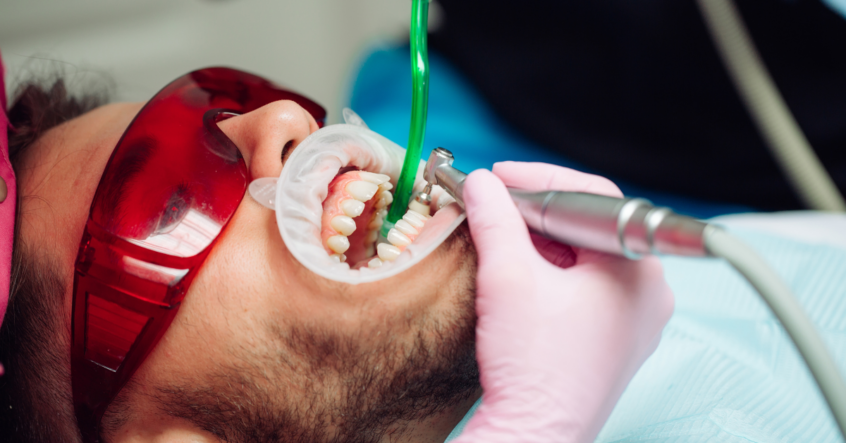
Maintaining healthy teeth isn’t just about having a bright smile, it’s also about protecting your gums. Even if you brush twice a day and floss regularly, plaque and tartar can sometimes build up below the gumline, where a regular dental cleaning can’t reach. When this happens, your dentist may recommend a deep teeth cleaning to remove harmful bacteria and help prevent gum disease from progressing. Imagine visiting your dentist because your gums have been bleeding every time you brush. You may also notice persistent bad breath, mild gum tenderness, or increased tooth sensitivity. During your examination, your dentist measures the spaces between your teeth and gums and discovers that bacteria and hardened tartar have accumulated beneath the gumline. Rather than a routine cleaning, they recommend a deep teeth cleaning to restore your gum health and protect the supporting structures around your teeth. Naturally, one of the first questions patients ask is, “How long will the procedure take?”
The answer depends on several factors, including the extent of tartar buildup, the severity of gum disease, the number of teeth requiring treatment, and whether the procedure is completed in one visit or divided into multiple appointments. While every patient is different, understanding the process beforehand can help reduce anxiety and prepare you for a smoother dental experience. In this guide, we’ll explain how long a deep teeth cleaning usually takes, what happens during the procedure, which factors affect treatment time, and what you can expect during recovery so you can feel confident before your appointment.
What Is a Deep Teeth Cleaning?
A deep teeth cleaning is a specialised dental procedure used to remove plaque, tartar, and bacteria from below the gumline. Unlike a routine cleaning that focuses on the visible surfaces of your teeth, this treatment targets areas where harmful bacteria collect around the roots of your teeth. The procedure typically involves scaling and root cleaning, a process that carefully removes hardened deposits from beneath the gums and smooths the tooth roots. Smoother root surfaces make it more difficult for bacteria to reattach and allow the gums to heal and reattach more effectively to the teeth. Dentists often recommend this treatment when early or moderate gum disease has caused the gums to pull away from the teeth, creating pockets where bacteria can thrive. Without treatment, these pockets may deepen over time, increasing the risk of bone loss, loose teeth, and even tooth loss.
A teeth cleaning is not a cosmetic procedure, it is an important treatment designed to protect your oral health and preserve your natural teeth.
How Long Does a Deep Teeth Cleaning Usually Take?
For most patients, a deep cleaning takes between one and two hours per appointment. However, the total treatment time varies depending on your individual oral health needs.
Some patients with mild gum disease may complete treatment in a single visit. Others with more extensive tartar buildup or deeper gum pockets may require two or more appointments to ensure every area is cleaned thoroughly and comfortably.
Dentists often divide the mouth into sections or quadrants, treating one side at a time. This approach allows the dentist to work more precisely while keeping patients comfortable, especially if local anaesthetic is used.
A typical appointment may include:
- Reviewing your dental examination and X-rays
- Administering local anaesthetic if needed
- Removing plaque and tartar below the gumline
- Cleaning around the tooth roots
- Smoothing the root surfaces
- Flushing bacteria from periodontal pockets
- Providing personalised aftercare instructions
Although the procedure may take longer than a routine cleaning, the additional time is necessary because the dentist is cleaning areas that cannot be reached during a standard appointment.
Why Does Treatment Time Vary?
No two patients have exactly the same oral health condition.
Several factors influence how long a deep teeth cleaning will take.
1. Severity of Gum Disease
One of the biggest factors is the condition of your gums.
Patients with early gum disease usually require less treatment because bacteria have not spread extensively beneath the gums.
However, advanced gum disease often involves:
- Deeper gum pockets
- More tartar accumulation
- Greater bacterial buildup
- Additional inflammation
Cleaning these areas thoroughly naturally requires more time.
2. Amount of Plaque and Tartar
The more hardened tartar present below the gumline, the longer the cleaning process may take.
Removing tartar from sensitive root surfaces requires precision to ensure the teeth and surrounding tissues are cleaned without causing unnecessary discomfort. Patients who have gone several years without professional dental care may need additional treatment time compared to those who receive regular preventive care.
3. Number of Teeth Being Treated
Some patients only require treatment in specific areas of the mouth.
Others need every tooth cleaned below the gumline. If your dentist recommends treating the entire mouth, the procedure may be divided into multiple appointments to improve comfort and allow each section to be cleaned thoroughly.
Is the Procedure Painful?
Many patients feel nervous when they hear they need a deep teeth cleaning, but the procedure is generally much more comfortable than they expect.
Before treatment begins, your dentist will usually numb the treatment area using a local anaesthetic. This helps minimise discomfort while plaque and tartar are removed from below the gums. You may still experience sensations such as pressure, vibration, or mild scraping, but sharp pain is uncommon during the procedure. After the anaesthetic wears off, it’s normal to experience mild tenderness or sensitivity for a few days as your gums begin to heal. Fortunately, these symptoms usually improve quickly with proper aftercare and good oral hygiene.
Step-by-Step: What Happens During a Teeth Cleaning?
Knowing what to expect can help you feel more comfortable before your appointment. While every patient’s treatment plan is different, a deep teeth cleaning generally follows a structured process designed to remove harmful bacteria while protecting your teeth and gums.
1. Comprehensive Examination
Before treatment begins, your dentist carefully examines your teeth and gums.
This may include:
- Measuring the depth of gum pockets
- Checking for signs of inflammation or bleeding
- Reviewing dental X-rays
- Assessing bone support around your teeth
These findings help determine the areas that require treatment and whether the procedure can be completed in one appointment or should be divided into multiple visits.
2. Local Anaesthetic
To keep you comfortable, your dentist may numb the treatment area with a local anaesthetic.
This allows the gums and tooth roots to be cleaned thoroughly while minimizing discomfort.
If your mouth is divided into sections, only the area being treated during that appointment is typically numbed.
3. Removing Plaque and Tartar
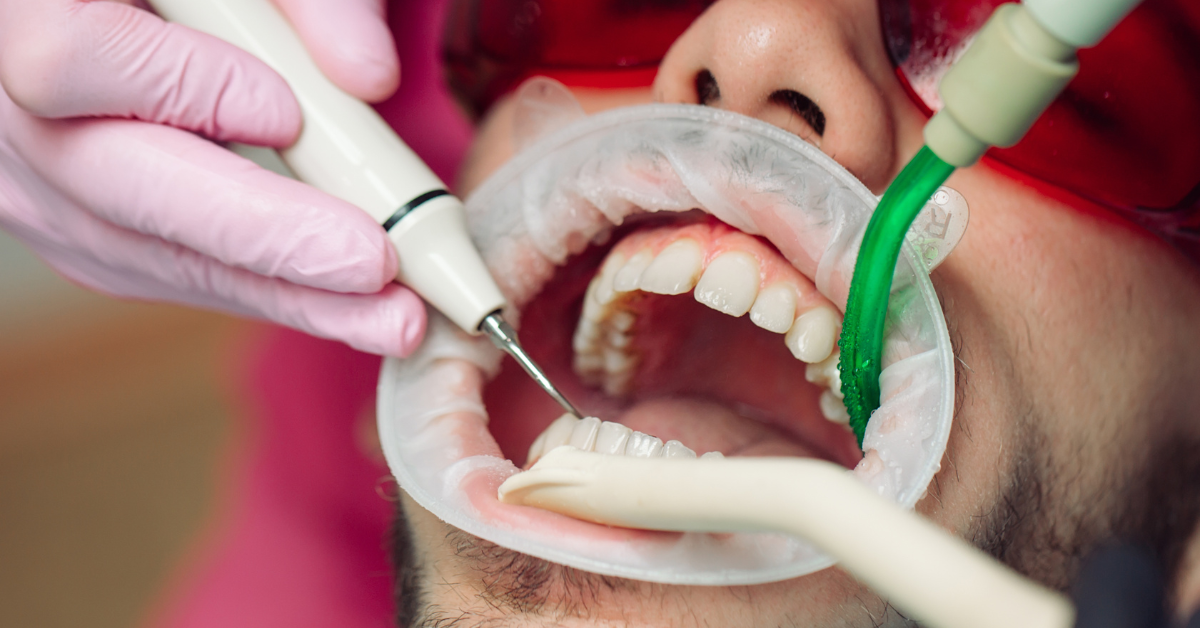
The next step involves removing hardened plaque and tartar from below the gumline. Using specialized instruments and ultrasonic technology, your dentist carefully cleans the areas where bacteria have collected. This stage is often the most time-consuming because deposits below the gums require careful attention.
4. Root Surface Smoothing
Once debris has been removed, the dentist performs scaling and root cleaning by smoothing the root surfaces.
This important step helps:
- Reduce bacterial attachment
- Encourage healthy gum reattachment
- Support healing
- Lower the risk of future plaque buildup
Smooth root surfaces make it more difficult for harmful bacteria to collect beneath the gums again.
5. Final Evaluation
After cleaning is complete, your dentist checks the treated areas and provides instructions for caring for your gums at home.
In some cases, an antimicrobial rinse or medication may also be recommended to support healing.
Can a Deep Teeth Cleaning Be Completed in One Visit?
The answer depends on your individual oral health.
Some patients with mild gum disease can complete a teeth cleaning during a single appointment, particularly when only a limited area requires treatment.
However, many dentists prefer dividing the procedure into two or four appointments.
For example:
- First appointment: Upper right and lower right teeth
- Second appointment: Upper left and lower left teeth
This approach offers several benefits:
- Improved patient comfort
- Better access to each area
- More precise cleaning
- Easier administration of local anaesthetic
- Reduced jaw fatigue during treatment
Completing treatment over multiple appointments also allows your dentist to focus on each section without rushing the procedure.
What Factors Affect How Long the Procedure Takes?
Every smile is unique, so treatment time varies from one patient to another.
Some of the biggest factors include:
Severity of Gum Disease
Patients with deeper periodontal pockets require more detailed cleaning beneath the gums. More bacteria means more treatment time.
Amount of Tartar
Heavy tartar deposits require careful removal to avoid damaging surrounding tissues.
Patients who haven’t had professional cleanings for several years often require longer appointments.
Number of Areas Being Treated
Cleaning one quadrant naturally takes less time than treating the entire mouth.
Your dentist will recommend the safest and most effective treatment schedule based on your condition.
Overall Oral Health
Patients who maintain good oral hygiene between dental visits often have less plaque buildup, making treatment more efficient.
Recovery After a Deep Teeth Cleaning
Although a teeth cleaning is a non-surgical procedure, your gums still need time to recover. Fortunately, most patients experience only mild temporary symptoms.
You may notice:
- Slight gum tenderness
- Mild bleeding when brushing
- Tooth sensitivity
- Temporary discomfort while chewing
- Minor swelling
These symptoms usually improve within a few days as your gums begin healing.
Your gums may also gradually tighten around your teeth as inflammation decreases, creating healthier support for your smile.
Tips for a Faster Recovery
Following your dentist’s instructions can make recovery smoother and more comfortable.
Helpful aftercare tips include:
- Brush gently using a soft-bristled toothbrush.
- Floss carefully without irritating sensitive gums.
- Rinse with any prescribed mouthwash if recommended.
- Drink plenty of water throughout the day.
- Eat softer foods for the first day or two if needed.
- Avoid smoking or tobacco products, which can delay healing.
- Continue attending regular dental checkups.
Good home care plays an important role in preventing bacteria from returning after treatment. Explore comprehensive dental care at Modern Dentistry of Novato, where advanced technology, personalized treatment, and a patient-focused approach support healthier, more confident smiles.
Why Regular Maintenance Matters
A deep teeth cleaning removes harmful bacteria, but maintaining healthy gums requires ongoing care. Patients with a history of gum disease may benefit from periodontal cleanings, which are professional maintenance visits performed more frequently than routine dental cleanings. These appointments allow your dentist to monitor gum health, remove plaque before it hardens, and reduce the risk of gum disease returning. Consistent maintenance, combined with good brushing and flossing habits, can significantly improve your long-term oral health.
Understanding the Long-Term Value of Treatment
Some patients hesitate because they’re concerned about the cost of teeth deep cleaning.
However, delaying treatment often allows gum disease to progress, potentially leading to more complex dental procedures in the future. Treating gum disease early helps preserve your natural teeth, protects supporting bone, and reduces the likelihood of more extensive restorative care later. A deep teeth cleaning is an investment in your long-term oral health rather than simply a solution for today’s symptoms.
Benefits of a Deep Teeth Cleaning
When gum disease is treated early, the results can have a lasting impact on your oral health. A deep teeth cleaning does more than remove plaque and tartar, it helps eliminate harmful bacteria, reduce inflammation, and create a healthier environment for your gums to heal.
Some of the key benefits include:
- Removes plaque and tartar from below the gumline
- Reduces gum inflammation and bleeding
- Helps prevent gum disease from progressing
- Supports healthier gum attachment to the teeth
- Improves persistent bad breath caused by bacteria
- Lowers the risk of tooth loss
- Makes daily brushing and flossing more effective
- Promotes better long-term oral health
For many patients, the improvement isn’t just something they can see, it’s something they can feel. Healthier gums often become less tender, bleed less during brushing, and provide stronger support for the teeth.
Maintaining Healthy Gums After Treatment
A successful teeth cleaning is only the first step toward healthier gums. Maintaining the results requires a consistent oral hygiene routine and regular dental visits.
To keep your smile healthy:
- Brush your teeth twice a day using fluoride toothpaste.
- Floss daily to remove plaque between your teeth.
- Attend regular dental examinations and cleanings.
- Follow your dentist’s recommendations for ongoing gum cleaning if needed.
- Avoid tobacco products, which can increase the risk of gum disease.
- Eat a balanced diet that supports healthy teeth and gums.
If you’ve previously experienced gum disease, your dentist may recommend more frequent maintenance visits to ensure bacteria do not build up beneath the gumline again.
When Should You Schedule a Deep Teeth Cleaning?
Don’t wait until gum disease becomes painful or begins affecting your teeth.
You should schedule a dental evaluation if you notice:
- Gums that bleed while brushing or flossing
- Persistent bad breath
- Swollen, red, or tender gums
- Gum recession
- Loose teeth
- Tooth sensitivity near the gums
- Pain while chewing
Early treatment is often simpler, more comfortable, and more effective than waiting until gum disease has progressed.
Conclusion
A deep teeth cleaning is one of the most effective treatments for stopping gum disease before it leads to more serious oral health problems. While the procedure typically takes between one and two hours per appointment, the total treatment time depends on the severity of gum disease, the amount of tartar buildup, and whether your dentist recommends treating your mouth in one visit or multiple appointments. Although you may experience mild tenderness afterward, most patients recover quickly and notice healthier gums within a short period. Following your dentist’s aftercare instructions, maintaining excellent oral hygiene, and attending regular dental checkups can help preserve the results for years to come.
If your dentist recommends a deep teeth cleaning, treating the problem early can protect your gums, preserve your natural teeth, and support a healthier smile for the future. Ready to schedule your visit? Contact the team to request an appointment, discuss your dental concerns, and receive guidance on the most appropriate treatment for your needs. Learn how customized dental implant solutions can replace missing teeth, restore comfortable chewing, improve smile appearance, and provide stable, natural-looking results designed for long-term function
Frequently Asked Questions
Can a Deep Teeth Cleaning Be Done in One Visit?
Yes, some patients can complete a deep teeth cleaning in a single visit, especially if only one area of the mouth requires treatment. However, many dentists divide the procedure into two or more appointments to improve comfort and thoroughly clean each section of the mouth.
Why Does a Deep Teeth Cleaning Sometimes Require Multiple Appointments?
When gum disease affects several areas of the mouth, completing treatment over multiple visits allows the dentist to clean each quadrant carefully while keeping the patient comfortable. This approach also provides better access to deep gum pockets and promotes more effective treatment
How Long Does It Take to Recover After a Deep Teeth Cleaning?
Most patients recover within a few days. Mild tenderness, sensitivity, or slight bleeding is common immediately after treatment, but these symptoms usually improve as the gums heal. Following your dentist’s aftercare instructions can help speed recovery.
Is It Normal to Feel Sore After a Deep Teeth Cleaning?
Yes. Mild soreness or sensitivity is completely normal after a deep teeth cleaning because the gums have been cleaned below the gumline. Any discomfort is usually temporary and gradually decreases over the next several days.
What Should You Avoid After a Deep Teeth Cleaning?
For the first 24 to 48 hours, it’s generally recommended to avoid smoking, very hot foods or beverages, hard or crunchy foods if your gums are tender, and aggressive brushing around the treated areas. Following your dentist’s recommendations will help your gums heal properly.