
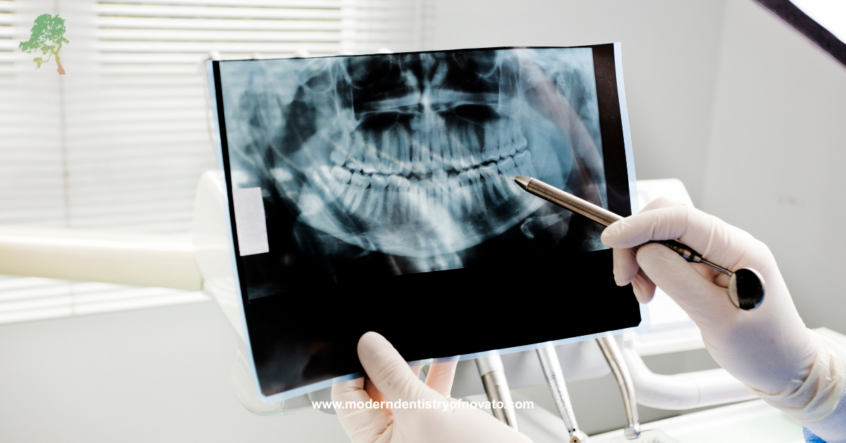
Have you ever wondered why some dental problems appear suddenly, even when your teeth looked completely fine during your last checkup? What if a small cavity, hidden infection, or early bone loss was developing beneath the surface without causing any pain at all?
Regular dental checkups are about far more than just cleaning your teeth. Many oral health issues begin silently in areas that cannot be seen during a routine visual exam. That is where digital dental x-rays become essential in preventive dentistry. They allow dentists to detect cavities, infections, bone deterioration, impacted teeth, and other hidden concerns long before they turn into painful, complex, or costly problems.
Many patients wonder whether dental imaging is really necessary every year or if it can be done less frequently. The truth is that there is no one-size-fits-all answer. Your age, oral health history, risk factors, and current dental condition all influence how often should dental x-rays be taken. Modern dentistry has also made the process safer and more comfortable than ever. Today’s digital x-rays use significantly less radiation than traditional methods while delivering faster and clearer images. This allows dentists to diagnose problems early while minimizing exposure.
In this guide, we’ll explain how often you may need dental x-rays, what factors affect the schedule, and why these scans are essential for maintaining long-term oral health.
Why Digital Dental X-Rays Matter
Many dental conditions develop silently. Cavities can form between teeth, infections can spread below the gums, and bone deterioration can progress without visible symptoms. Even patients who brush and floss consistently may still develop hidden issues.
Digital dental x-rays allow dentists to:
- Detect tooth decay early
- Monitor bone health
- Identify infections or abscesses
- Evaluate wisdom teeth
- Track gum disease progression
- Assess dental restorations
- Plan treatments like implants or orthodontics
Without dental x-rays, many oral health problems may only be discovered once pain or visible damage appears.
What Makes Digital X-Rays Different?
Traditional film x-rays required chemical processing and exposed patients to higher radiation levels. Modern digital x-rays are faster, clearer, and safer.
Benefits of digital x-rays include:
- Lower radiation exposure
- Instant image viewing
- Improved image quality
- Better diagnostic accuracy
- Easier image storage and sharing
- Environmentally friendly technology
Because digital x-rays use advanced sensors rather than film, dentists can enhance and enlarge images for better analysis.
How Often Should Adults Get Digital Dental X-Rays?
The frequency depends on your dental history and overall oral health risk.
Adults With Good Oral Health
If you have healthy teeth and gums, low cavity risk, and no ongoing dental issues, your dentist may recommend digital dental x-rays every 18 to 24 months.
Patients with excellent oral hygiene and consistent dental visits often require fewer scans because their risk of hidden problems is lower.
Adults With Ongoing Dental Concerns
You may need more frequent imaging if you have:
- A history of frequent cavities
- Gum disease
- Dental implants or restorations
- Root canals
- Bone loss
- Chronic dry mouth
- Smoking habits
- Diabetes or other health conditions affecting oral health
In these situations, dentists may recommend dental imaging every 6 to 12 months to closely monitor changes.
New Patients
If you visit a dentist for the first time, they may suggest a full set of dental x-rays to establish a baseline for your oral health. This helps identify existing conditions and supports accurate treatment planning. The article also highlights that digital dental x-rays use significantly less radiation than traditional film-based systems, often reducing exposure by nearly 70% to 90% while providing faster and clearer diagnostic images.
How Often Should Children Get Dental X-Rays?
Children usually require x-rays more frequently than adults because their teeth and jaw structures change rapidly during growth.
Dentists may recommend digital dental x-rays every 6 to 12 months for children who are cavity-prone or undergoing orthodontic development.
X-rays help monitor:
- Emerging adult teeth
- Tooth alignment
- Jaw growth
- Hidden cavities
- Bite development
Early detection can prevent future complications and reduce the need for extensive treatment later.
Factors That Determine X-Ray Frequency
Several factors influence how often dental x-rays should be taken.
1. Age
Children and teenagers often need more frequent monitoring due to rapid oral development. Older adults may also require additional imaging because of gum recession, restorations, or bone loss.
2. Cavity Risk
Patients who frequently develop cavities usually benefit from more regular monitoring.
For example, someone who consumes sugary beverages daily and has multiple fillings may need yearly digital x-rays to detect new decay early.
3. Gum Disease
Gum disease affects the bone supporting the teeth. Dental imaging allows dentists to evaluate bone levels and track disease progression over time.
4. Existing Dental Work
Crowns, bridges, implants, and fillings can hide problems underneath the surface. X-rays help monitor restorations and identify issues before they worsen.
5. Symptoms or Pain
If you experience tooth pain, swelling, sensitivity, or jaw discomfort, your dentist may recommend immediate dental x-rays regardless of your regular schedule.
Example: Why Timing Matters
Consider two patients:
Example 1: Healthy Adult Patient
Sarah visits her dentist every six months, brushes consistently, and rarely gets cavities. Her dentist recommends dental x-rays every two years because her risk is low and her oral health remains stable.
Example 2: High-Risk Patient
Michael has a history of gum disease and multiple crowns. He also smokes occasionally. His dentist recommends yearly dental x-rays to monitor bone health and ensure no decay develops beneath restorations.
These examples show why x-ray schedules should always be personalized.
Are Yearly Dental X-Rays Necessary?
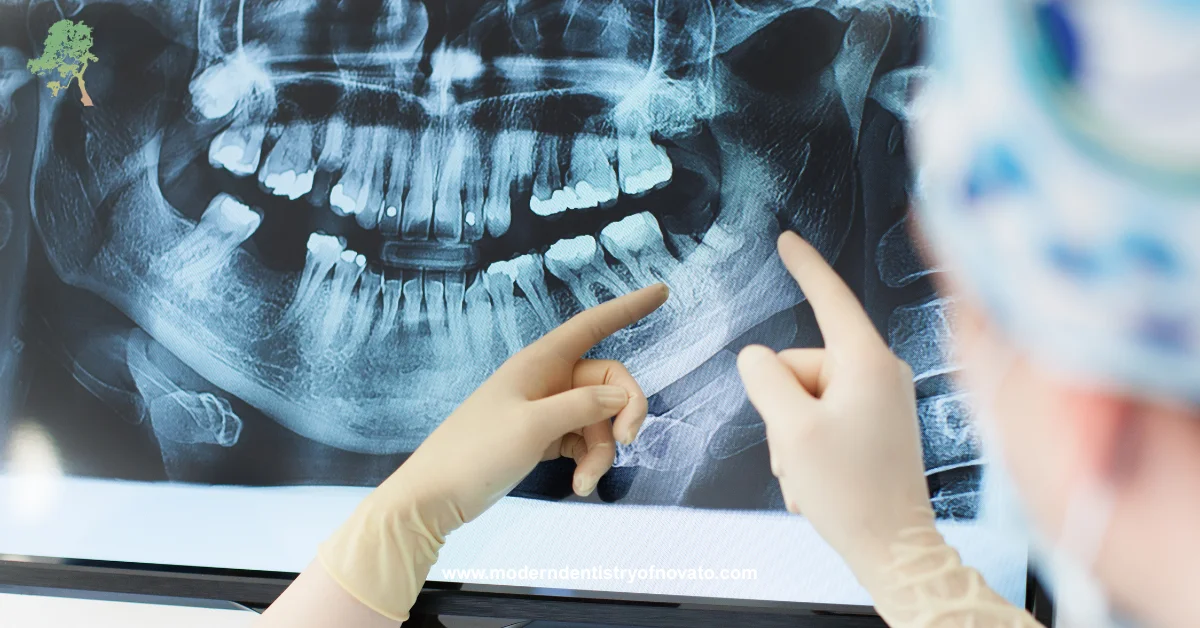
Many patients ask whether annual imaging is truly needed.
The answer depends on individual risk factors. Some patients benefit from yearly dental x-rays because conditions like cavities or gum disease can progress quickly without visible symptoms.
Others with low risk may safely wait longer between scans.
Dentists follow evidence-based guidelines rather than using the same schedule for every patient. The goal is to balance early detection with minimal radiation exposure.
Are Dental X-Rays Safe?
Safety concerns are common, but modern digital x-rays use extremely low radiation doses.
In fact, the radiation exposure from digital x-rays is often lower than what people receive naturally from the environment during everyday activities.
Additional safety measures include:
- Lead aprons
- Thyroid collars
- Fast imaging sensors
- Targeted imaging techniques
The U.S. Food and Drug Administration states that dental x-rays are considered safe when used appropriately.
Can You Get Dental X-Rays Too Often?
While radiation exposure should always be minimized, modern dental x-rays are designed to keep doses very low.
Dentists avoid unnecessary scans and only recommend imaging when clinically appropriate.
Overexposure concerns are far more associated with outdated film technology than today’s advanced digital systems.
If you are concerned about frequency, discuss your medical history and risk factors with your dentist so they can tailor recommendations specifically to you.
Types of Dental X-Rays
Different types of dental x-rays serve different purposes.
Bitewing X-Rays
These detect cavities between teeth and monitor bone levels.
Periapical X-Rays
These focus on the entire tooth, including roots and surrounding bone.
Panoramic X-Rays
These capture the full mouth, jaw, and wisdom teeth in one image.
Cone Beam CT Scans
These provide detailed 3D imaging often used for implants, oral surgery, or orthodontics.
Your dentist will determine which type of dental imaging is appropriate for your needs.
Signs You May Need Immediate Dental Imaging
You may require x-rays sooner than scheduled if you experience:
- Persistent tooth pain
- Swelling or infection
- Broken teeth
- Gum bleeding
- Jaw discomfort
- Sudden sensitivity
- Loose teeth
Prompt imaging helps dentists diagnose the problem accurately and begin treatment quickly.
The Role of Preventive Dentistry
One of the greatest advantages of digital dental x-rays is prevention.
Detecting problems early can help patients avoid:
- Root canals
- Tooth extractions
- Advanced gum disease
- Expensive restorative treatments
- Severe infections
Preventive care often saves both time and money while protecting long-term oral health.
Final Thoughts
Digital dental x-rays are an essential part of Modern Dentistry because they reveal issues that cannot be seen during a regular exam. The right imaging schedule depends on your oral health, dental history, age, and individual risk factors.
For some patients, x-rays every one to two years may be enough. Others with ongoing dental concerns may need more frequent monitoring. The key is working with a trusted dental professional who can personalize your care plan. Modern digital x-rays are safer, faster, and more effective than older technologies, making them a valuable tool for early detection and preventive treatment. Staying proactive with regular exams and recommended imaging can help maintain a healthier smile for years to come. Ready to take the next step toward a healthier, more confident smile? Schedule your visit with Modern Dentistry of Novato and experience personalized dental care designed around your comfort and long-term oral health goals. Whether you’re missing one tooth or several, the advanced solutions offered through Dental implant services can help restore the natural function, strength, and appearance of your smile with long-lasting results.
FAQs
1. How often should adults get digital dental X-rays?
Most adults with healthy teeth and gums need digital dental x-rays every 18 to 24 months. Patients with cavities, gum disease, or ongoing dental concerns may require them more frequently based on their dentist’s recommendation.
2. Are yearly dental X-rays necessary?
Yearly dental x-rays are necessary for some patients, especially those at higher risk for cavities or gum disease. Others with stable oral health may only need imaging every couple of years.
3. What factors determine how often you need dental X-rays?
Your age, oral health history, cavity risk, gum condition, symptoms, and existing dental work all affect how often should dental x-rays be taken.
4. Can you get dental X-rays too often?
Dentists avoid unnecessary imaging and only recommend x-rays when clinically needed. Modern digital x-rays use very low radiation levels, making them much safer than older technologies.
5. Are digital dental X-rays safer than traditional X-rays?
Yes. Digital x-rays expose patients to significantly less radiation than traditional film x-rays while providing faster and clearer images for diagnosis.