
Have you been hiding your smile because of missing teeth? Do you find yourself avoiding certain foods because chewing has become difficult? Or perhaps you’re tired of removable dentures that slip, shift, or require constant maintenance?
Missing multiple teeth affects much more than your appearance. It changes the way you eat, speak, and interact with others. It can also lead to jawbone deterioration, facial changes, and reduced confidence over time. Fortunately, modern dentistry offers a long-lasting solution that feels remarkably close to natural teeth.
That’s where fixed implant bridges come in. Unlike traditional bridges or removable dentures, implant-supported bridges are securely attached to dental implants placed within the jawbone. The result is a stable, durable restoration that restores function, improves aesthetics, and helps preserve oral health for years to come. If you’re looking for a permanent solution to replace multiple missing teeth, understanding how this treatment works is the first step toward making an informed decision.
Understanding Fixed Implant Bridges
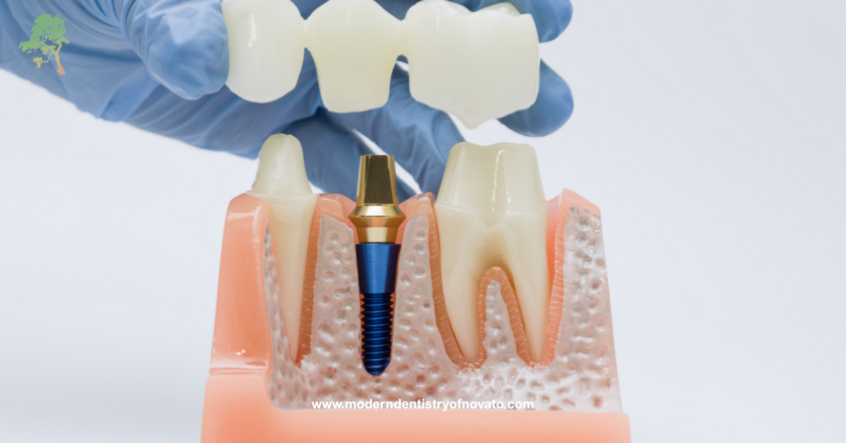
A fixed implant bridge restoration is a prosthetic solution designed to replace several missing teeth without relying on adjacent natural teeth for support. Instead, the bridge is securely attached to strategically placed dental implants embedded into the jawbone.
These implants act as artificial tooth roots. Once they fuse naturally with the bone through a process called osseointegration, they create an incredibly strong foundation capable of supporting a custom-designed bridge.
Unlike removable dentures, patients cannot remove these restorations themselves. Only a dental professional can detach them during maintenance appointments.
How Do Fixed Implant Bridges Work?
The treatment process combines advanced implant dentistry with custom restorative techniques.
Step 1: Comprehensive Examination
Your dentist begins with:
- Digital X-rays
- 3D CBCT imaging
- Bite analysis
- Bone density evaluation
- Medical history review
This helps determine whether sufficient bone exists to support implants.
Step 2: Implant Placement
Titanium dental implants are surgically inserted into the jawbone where missing tooth roots once existed.
Contrary to popular belief, replacing four missing teeth doesn’t always require four implants. Depending on your oral anatomy, two or three implants may effectively support the bridge.
Step 3: Healing Phase
Over approximately 3–6 months, the implants naturally bond with the surrounding bone.
This biological fusion creates exceptional stability unmatched by conventional bridges.
Step 4: Abutment Placement
Once healing is complete, small connectors called abutments are attached to the implants.
These connectors hold the final bridge securely in place.
Step 5: Final Bridge Placement
A custom-crafted bridge is permanently secured onto the implants.
The finished restoration is carefully designed to match your natural teeth in:
- Shape
- Color
- Size
- Bite alignment
The final result looks and functions like natural teeth.
Why Dental Implants Create a Stronger Foundation
Traditional bridges rely on neighboring teeth for support.
With fixed bridge dental implants, the support comes directly from the jawbone instead.
This provides several important advantages:
- Greater chewing strength
- Improved stability
- Reduced stress on healthy teeth
- Better long-term durability
- Preservation of surrounding bone
Because the implants function like natural tooth roots, they also stimulate the jawbone during chewing, helping minimize bone loss after tooth extraction.
Benefits of Fixed Implant Bridges
Patients often choose fixed implant bridges because they provide long-term improvements in both function and appearance.
Some of the biggest advantages include:
Natural Appearance
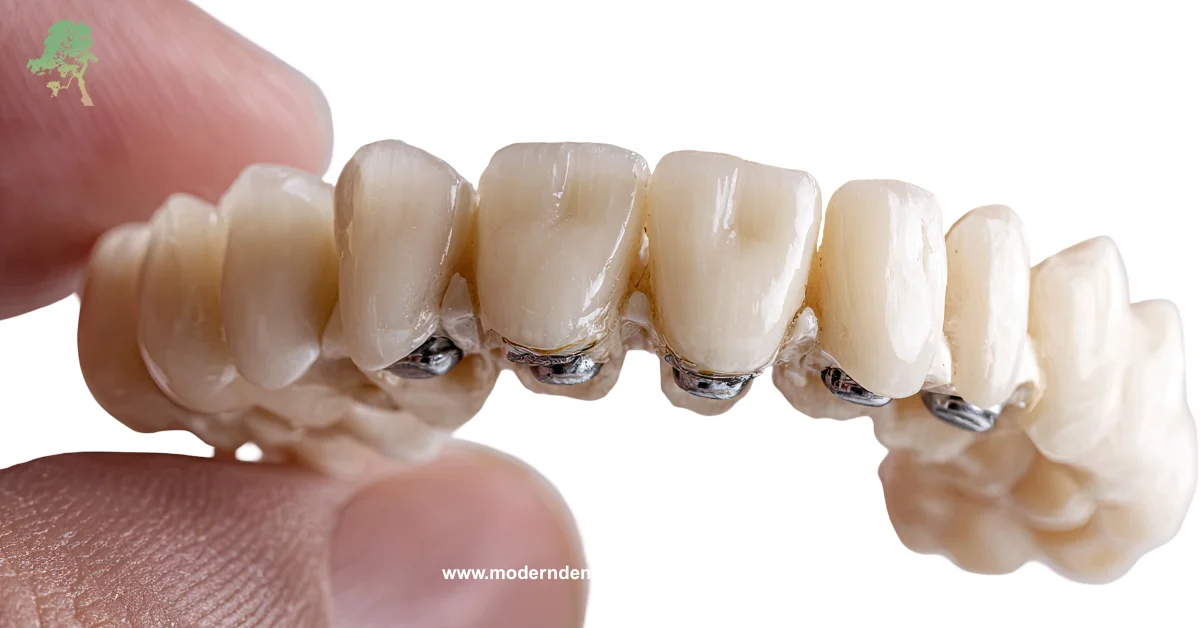
Modern ceramic materials closely resemble natural enamel, making the restoration nearly indistinguishable from surrounding teeth.
Improved Comfort
Since the bridge is permanently secured, there is no slipping, clicking, or movement while eating or speaking.
Better Chewing Efficiency
Patients can comfortably enjoy foods such as:
- Apples
- Steak
- Nuts
- Raw vegetables
without worrying about movement.
Bone Preservation
Dental implants stimulate the jawbone, slowing the natural bone loss that often follows tooth loss.
Long-Term Value
Although implant treatment involves a higher initial investment, its durability often makes it more economical over time compared to repeatedly replacing conventional bridges or dentures.
Who Is a Good Candidate?
Most healthy adults missing multiple adjacent teeth may qualify for treatment.
Ideal candidates generally have:
- Good overall health
- Healthy gums
- Adequate jawbone volume
- Good oral hygiene habits
- Non-smoking or willingness to stop during healing
Even patients with bone loss may still qualify after bone grafting or other preparatory procedures.
Fixed Implant Bridges vs Traditional Bridges
Compared to a traditional bridge, an implant bridge offers several long-term advantages. A traditional bridge requires the support of healthy adjacent teeth, which often need to be reshaped to hold the restoration in place. It does not prevent jawbone loss after tooth loss and typically provides moderate stability with good chewing strength. While traditional bridges generally last around 10–15 years, they may eventually need replacement. In contrast, an implant bridge is supported by dental implants rather than neighboring teeth, so healthy tooth structure remains untouched. It helps preserve the jawbone by stimulating it like natural tooth roots, offers excellent stability and chewing performance, and can often last 20 years or more with proper care and regular dental check-ups. According to the Cleveland Clinic’s guide on dental bridges, dental bridges replace one or more missing teeth, helping restore chewing ability, improve appearance, and support overall oral health
Fixed Implant Bridges vs Dentures
Many patients comparing treatment options ask whether implants are worth the investment.
Compared with removable dentures, fixed bridges anchored by implants provide:
- Greater confidence
- Better speech
- Stronger bite force
- Less maintenance
- Improved comfort
- No adhesives
- Better facial support
Dentures rest on the gums, while implants integrate directly with the jawbone.
This creates a much more natural experience.
Caring for Your Implant Bridge
Although implants cannot develop cavities, surrounding gum tissue still requires excellent care.
Daily maintenance includes:
- Brushing twice daily
- Flossing beneath the bridge using implant floss
- Water flosser use
- Regular professional cleanings
- Routine dental examinations
With proper maintenance, many implant restorations remain successful for decades.
Useful Facts About Dental Implant Bridges
Here are some interesting facts many patients don’t know:
- According to the American Academy of Implant Dentistry (AAID), more than 3 million Americans currently have dental implants, and this number increases by approximately 500,000 every year.
- Research published in the National Library of Medicine reports implant survival rates exceeding 95% over ten years when patients maintain good oral hygiene and receive regular professional care.
- Dental implants are currently considered one of the most predictable and successful procedures in modern restorative dentistry.
These findings demonstrate why implant-supported restorations have become the preferred long-term solution for replacing missing teeth. From replacing a single tooth to full-arch restorations, Modern Dentistry of Novato offers personalized implant treatments using advanced technology to deliver durable, natural-looking results.
Why Experience Matters
A successful fixed dental implant bridge depends on careful planning, precise implant placement, and customized restorative design.
Modern technologies, including digital smile planning, 3D imaging, guided implant surgery, and high-quality ceramic materials, help improve accuracy, aesthetics, and long-term outcomes. Choosing an experienced implant dentist ensures every stage of treatment is tailored to your unique oral health needs and smile goals.
Restore Your Smile With Confidence
Living with multiple missing teeth doesn’t have to become your new normal.
Today’s fixed implant bridges provide a secure, attractive, and highly functional solution that restores far more than your smile. They improve chewing, speech, confidence, and long-term oral health while preserving the jawbone and supporting facial structure. If you’re ready to replace missing teeth with a permanent option that feels natural and lasts for years, scheduling a consultation is the best place to begin. A personalized evaluation can determine whether implant-supported bridges are the right choice for restoring both your smile and your quality of life. Ready to restore your smile with fixed implant bridges? Contact Modern Dentistry of Novato to schedule a personalized consultation and learn which tooth replacement option is right for you.
FAQs
What are fixed implant bridges and how do they work?
Fixed implant bridges are permanent restorations that replace multiple missing teeth using dental implants as support. Titanium implants fuse with the jawbone, and a custom bridge is securely attached to them, creating a stable, natural-looking solution that restores chewing, speaking, and smiling.
Who is a good candidate for fixed implant bridges?
Most healthy adults missing several adjacent teeth may qualify. Candidates should have healthy gums, sufficient jawbone, good oral hygiene, and overall good health. Even patients with bone loss may still be eligible after bone grafting or other preparatory procedures.
How much do fixed implant bridges cost?
Costs vary depending on the number of implants, materials used, bone grafting needs, and treatment complexity. A comprehensive consultation with digital imaging provides the most accurate treatment plan and cost estimate tailored to your individual needs.
How long do fixed implant bridges last?
With excellent oral hygiene, regular dental visits, and proper maintenance, implants can last decades. While the bridge itself may eventually require replacement due to normal wear, the implants often remain functional for 20 years or longer.
Are fixed implant bridges better than dentures?
For many patients, yes. Fixed implant bridges offer greater stability, stronger chewing ability, improved speech, enhanced comfort, and better jawbone preservation. Unlike removable dentures, they stay securely in place and closely mimic the feel and function of natural teeth.
References
- American Academy of Implant Dentistry (AAID): https://aaid.com/
- National Institute of Dental and Craniofacial Research (NIDCR): https://www.nidcr.nih.gov/
- National Library of Medicine – Dental Implant Survival Studies: https://pubmed.ncbi.nlm.nih.gov/
- American Dental Association (ADA): https://www.ada.org/