

Have you been hiding your smile in photos? Do you avoid laughing confidently because of crooked, crowded, or uneven teeth? If you’re considering orthodontic treatment, you’ve probably wondered whether clear invisalign or traditional braces are the better choice.
Years ago, metal braces were the only reliable solution for straightening teeth. Today, modern dentistry offers discreet, comfortable alternatives that fit busy lifestyles. But does nearly invisible treatment deliver the same results as conventional braces? The answer depends on your smile goals, the complexity of your case, your daily habits, and your commitment to treatment. In this guide, we’ll compare clear invisalign and traditional braces in detail, explain where each option excels, and help you understand which treatment may be right for you. If you’re looking for a trusted dentist in Novato, California, Modern Dentistry of Novato provides personalized orthodontic solutions designed around your needs.
Understanding Clear Invisalign
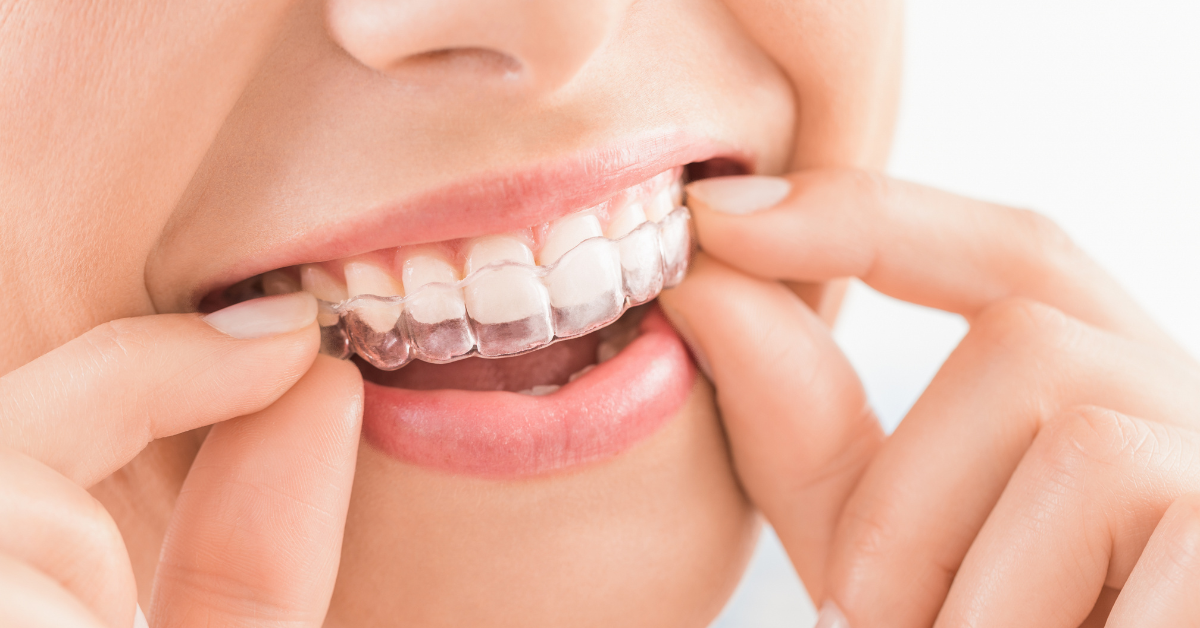
Clear invisalign uses a series of custom-made transparent aligners that gradually move teeth into their ideal positions. Instead of brackets and wires, each aligner is carefully designed using advanced 3D digital technology to create gentle, controlled tooth movement.
Patients typically wear each set of aligners for about one to two weeks before progressing to the next stage. Since the trays are removable, you can continue eating your favorite foods while maintaining your regular brushing and flossing routine. One of the biggest reasons people choose invisalign is that it blends naturally with your smile, making treatment much less noticeable during work meetings, social events, and everyday conversations.
Traditional Braces: A Proven Solution
Traditional braces consist of metal brackets attached to each tooth and connected by wires that are periodically adjusted by your dentist. Because braces remain fixed throughout treatment, they continuously apply pressure without depending on patient compliance. They have successfully corrected complex orthodontic problems for decades, including severe crowding, bite irregularities, and significant tooth rotations. Although today’s braces are smaller and more comfortable than previous generations, many adults and teenagers still prefer a more discreet option whenever possible. Traditional braces remain one of the most reliable orthodontic solutions, especially for correcting complex alignment and bite issues. Although they require dietary adjustments and careful oral hygiene, their predictable results and ability to treat a wide range of cases continue to make them a trusted choice for patients of all ages
Example: Two Patients, Two Different Solutions
Imagine two patients visiting the same dental office.
Sarah, a 29-year-old marketing executive, has mild crowding in her front teeth. She regularly attends client meetings and wants a treatment that won’t affect her professional appearance. Since she’s disciplined enough to wear aligners for the recommended 20–22 hours daily, clear invisalign becomes the ideal solution.
Michael, a 16-year-old student, has severe bite issues and rotated teeth. Because his orthodontic correction requires stronger, continuous force and he may forget to wear removable aligners consistently, traditional braces provide a more predictable treatment outcome. This example highlights an important fact: the “best” treatment isn’t universal, it depends entirely on the patient’s needs.
A Unique Advantage Many Patients Overlook
When comparing orthodontic treatments, many people focus only on appearance.
However, an equally important consideration is predictability in everyday life. With clear invisalign, you can remove your aligners for important presentations, weddings, family photographs, or special occasions before placing them back afterward. This flexibility allows treatment to fit your lifestyle instead of requiring your lifestyle to adapt to treatment. For professionals, public speakers, healthcare workers, and individuals frequently interacting with clients, this advantage often becomes just as valuable as straighter teeth.
Appearance Matters
For many adults, confidence during treatment is a major deciding factor.
Traditional braces are visible every time you smile, speak, or laugh. Although ceramic braces reduce visibility, they remain noticeable. By contrast, clear invisalign aligners are designed to be virtually invisible, allowing patients to undergo orthodontic treatment with confidence. Many people complete months of treatment without coworkers or friends realizing they’re wearing aligners.
Comfort During Treatment
Comfort is another significant difference. Metal brackets and wires can occasionally irritate the inside of your cheeks and lips, especially after adjustments.
Since clear invisalign aligners are made from smooth medical-grade plastic, patients generally experience fewer soft tissue irritations. While slight pressure is expected whenever switching to a new aligner, most people adapt quickly.
Oral Hygiene Is Easier
Maintaining oral hygiene during orthodontic treatment can directly affect long-term dental health. With traditional braces, brushing around brackets and cleaning beneath wires requires additional effort and specialized cleaning tools. Because invisalign trays are removable, patients simply take them out before brushing and flossing, making it much easier to maintain healthy gums and reduce plaque buildup throughout treatment.
Food Restrictions
One of the biggest frustrations with braces involves dietary limitations.
Sticky candies, popcorn, chewing gum, hard nuts, and crunchy snacks can damage brackets or wires. Patients using clear invisalign remove their aligners before meals, allowing them to continue enjoying nearly all foods without worrying about damaging orthodontic appliances.
Treatment Time
Many patients ask whether clear invisalign works faster.
Treatment duration depends on the complexity of each case.
Mild to moderate alignment issues often finish within 12–18 months, while complex orthodontic corrections may require longer regardless of the treatment method. Following your dentist’s instructions consistently plays a much larger role than the appliance itself.
Effectiveness for Different Cases
Both options are highly effective, but they excel in different situations.
Clear aligners are excellent for:
- Mild to moderate crowding
- Small gaps
- Minor bite corrections
- Cosmetic smile improvements
Traditional braces remain highly effective for:
- Severe crowding
- Major bite discrepancies
- Significant tooth rotations
- Complex orthodontic movements
An experienced provider will determine which option offers the most predictable results for your specific smile.
Cost Considerations
Patients frequently compare invisalign treatment cost with braces before making a decision.
Pricing varies depending on treatment complexity, treatment length, and individual clinical needs. Although costs are often comparable, only a comprehensive consultation can determine the most accurate estimate for your case. Rather than choosing solely based on price, consider long-term comfort, convenience, treatment goals, and expected outcomes.
Choosing the Right Provider Matters Most
Even the most advanced orthodontic system depends on proper treatment planning.
An experienced provider evaluates:
- Tooth alignment
- Jaw relationship
- Bite function
- Facial symmetry
- Long-term oral health
At Modern Dentistry of Novato, every smile begins with a personalized evaluation rather than a one-size-fits-all recommendation.
Whether you’re considering invisalign, braces, or another orthodontic solution, your treatment plan is customized to deliver healthy, lasting results. You can also discuss future restorative options, including Dental Implant Services, if missing teeth are part of your overall smile plan.
Why Patients Choose Modern Dentistry of Novato
Choosing the right dental team is just as important as selecting the right orthodontic treatment.
Our team combines modern technology, personalized treatment planning, and patient-centered care to create smiles that are both beautiful and healthy.
Whether you’re exploring invisalign treatment or comparing orthodontic options, we’ll explain every step so you can make a confident, informed decision. Learn more about our experienced dentist in Novato California, schedule your consultation through our Contact Us page, or explore our dental implant services if you’re planning a complete smile restoration.
For additional information on orthodontic treatment options, the American Association of Orthodontists also provides helpful patient resources.
Conclusion
Choosing between invisalign and traditional braces isn’t about finding one treatment that’s universally better, it’s about finding the solution that matches your lifestyle, dental needs, and long-term goals. For many adults and teens seeking comfort, flexibility, and aesthetics, invisalign offers an excellent alternative to traditional braces. However, more complex orthodontic cases may still benefit from conventional braces. The best way to decide is through a professional evaluation that considers your unique smile rather than general assumptions.
FAQs
What are the main differences between Clear Invisalign and traditional braces?
Clear Invisalign uses removable, transparent aligners, while traditional braces rely on fixed brackets and wires. Aligners offer greater flexibility for eating and cleaning, whereas braces continuously move teeth without requiring patient compliance, making them suitable for more complex orthodontic cases.
Which is more effective: Clear Invisalign or braces?
Both treatments are highly effective when used appropriately. Clear Invisalign works exceptionally well for mild to moderate alignment issues, while braces remain the preferred choice for severe crowding, significant bite problems, and more complex orthodontic corrections.
Is Clear Invisalign faster than traditional braces?
Treatment speed depends more on the complexity of your case and how consistently you follow instructions than on the treatment method itself. Mild orthodontic issues may finish quickly with aligners, while complex cases often require similar timelines regardless of treatment type.
Can Clear Invisalign treat severe orthodontic problems?
Modern Invisalign technology can successfully treat many complex cases, but certain severe bite discrepancies or difficult tooth movements may still respond better to traditional braces. A professional evaluation determines the most appropriate option.
How do you decide between Clear Invisalign and traditional braces?
Your dentist will assess tooth alignment, bite relationship, oral health, lifestyle, treatment goals, and commitment to wearing aligners consistently. These factors help determine which orthodontic solution is most likely to achieve predictable, long-lasting results.